Technical SEO Audit: Complete Checklist for 2026
A practical technical SEO audit checklist covering crawling, indexing, redirects, canonical URLs, sitemaps, robots.txt, performance, mobile usability, and security.
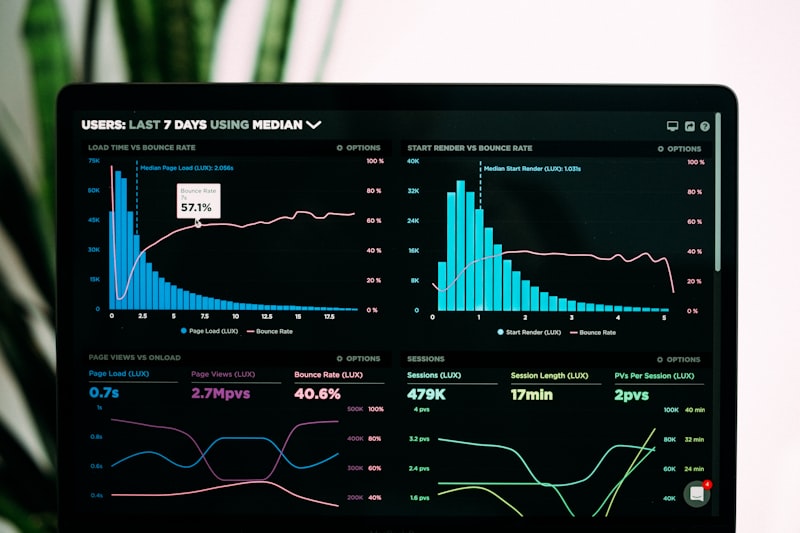
What Is a Technical SEO Audit?
A technical SEO audit examines the parts of a website that affect how search engines crawl, understand, and index its pages. Unlike an audit focused only on keywords, technical SEO looks at the underlying website structure and accessibility.
A good audit should identify problems with crawling, indexing, redirects, canonical URLs, XML sitemaps, robots.txt, page performance, mobile usability, and website security.
Technical SEO Audit Checklist
1. Check HTTPS and Website Security
Make sure important pages are served over HTTPS and that HTTP URLs redirect correctly to their HTTPS equivalents. Review the SSL certificate and important security headers.
2. Check Robots.txt
Review robots.txt to make sure important resources and pages are not accidentally blocked from crawling. Blocking a URL in robots.txt is not the same as removing it from search results.
3. Check XML Sitemaps
Your XML sitemap should contain the canonical URLs you want search engines to discover. Remove unnecessary, redirected, duplicate, or non-indexable URLs.
4. Review Canonical URLs
Check whether pages have appropriate canonical URLs. Canonicalization helps search engines understand which version of similar URLs should be treated as the preferred version.
5. Find Broken Links
Review internal links for 404 responses and other broken destinations. Broken links can create poor user experiences and make website maintenance harder.
6. Review Redirects
Look for unnecessary redirect chains, redirect loops, and incorrect redirect destinations. Where possible, link directly to the final destination.
7. Check Page Speed
Review Core Web Vitals and other performance signals. Start with the pages that receive the most traffic or are most important to your business.
See our Core Web Vitals guide and website speed optimization tips for deeper guidance.
8. Check Mobile Experience
Make sure the mobile version contains the same important content and works correctly across common screen sizes.
9. Review Indexability
Check important pages for accidental noindex directives, incorrect canonical tags, authentication barriers, and other indexing problems.
10. Monitor Changes Over Time
A technical SEO audit is a snapshot. New deployments, content changes, plugins, third-party scripts, and URL changes can introduce new problems. Continuous monitoring can help detect regressions.
Final Checklist
- HTTPS works correctly
- Robots.txt is intentional
- XML sitemap contains useful canonical URLs
- Canonical tags are consistent
- Broken links are fixed
- Redirects are clean
- Core Web Vitals are monitored
- Important pages are indexable
- Mobile pages work correctly
- Changes are monitored after deployments